
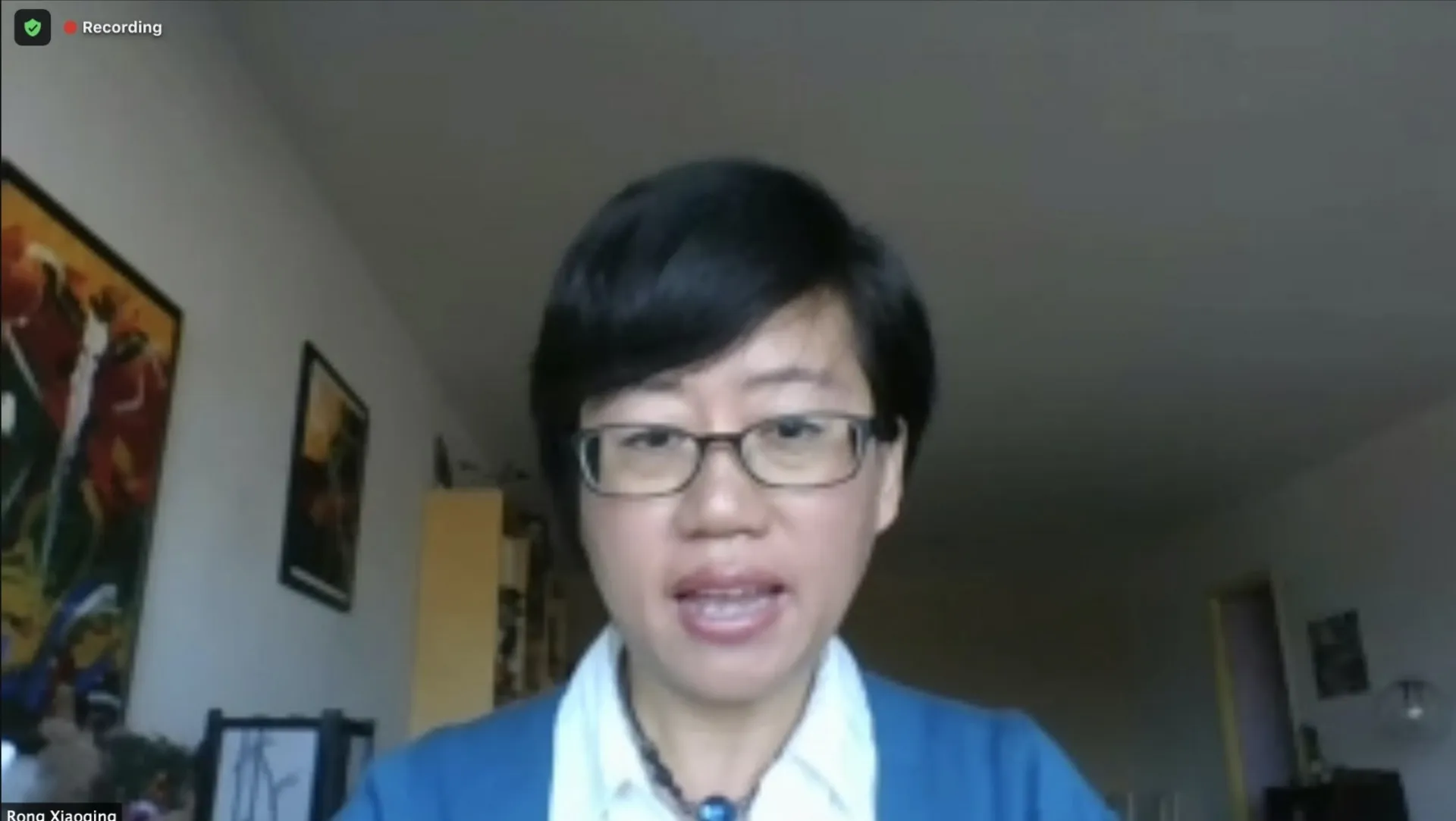
In a wide-ranging dialogue, journalist Rong Xiaoqing, reporter for the Sing Tao Daily and author of The New York Times’ weekly newsletter “Overseas Chinese Journal,” addressed changing US-China relations, the impact of those developments on the diaspora community, and challenges as a reporter. The October 15 webinar, “The Dilemma of the Chinese Diaspora in the Decoupling Era,” was moderated by WEAI’s Qin Gao, Professor and Director of the China Center for Social Policy in the School of Social Work.
New Yorkers of Chinese descent have been suffering from the “double pandemic” of COVID-19 and racial discrimination. We find that over half of our study participants reported experiencing discrimination and one third an incident of harassment. The vast majority of New Yorkers of Chinese descent are worried about their own safety and that of loved ones. We accompany this report with a call to action to stand with and protect Asian-American communities.
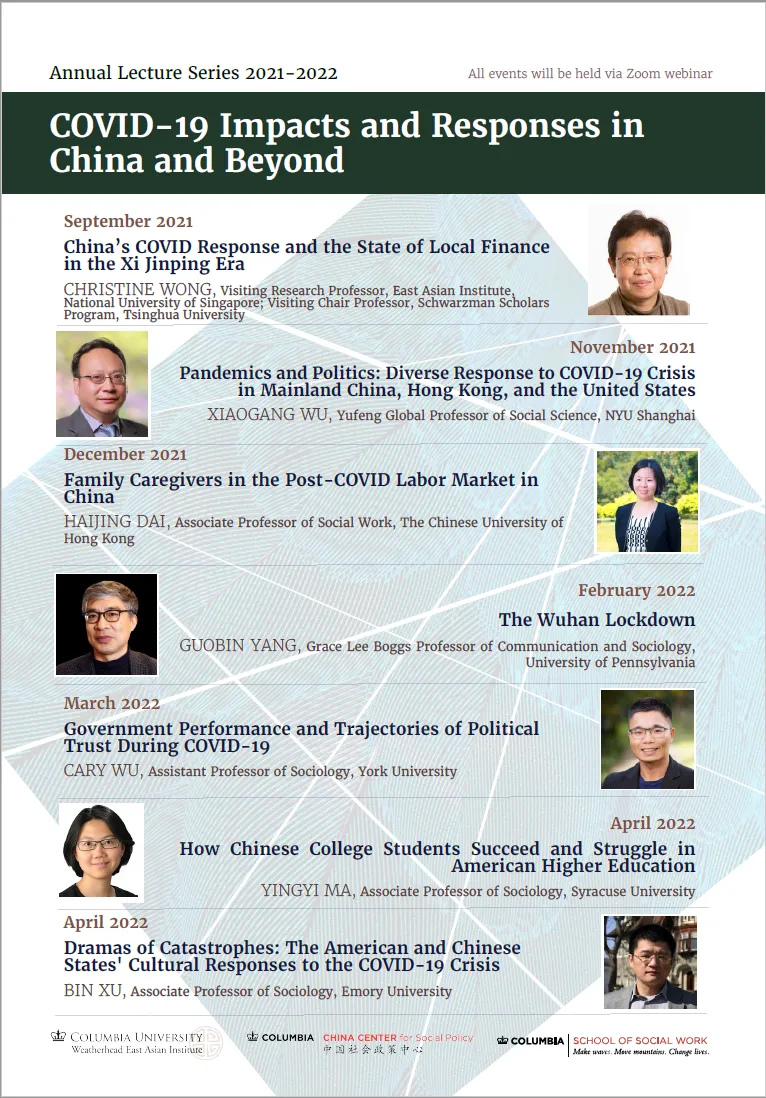
The Columbia China Center for Social Policy will hold its 2021-2022 Lecture Series on the theme of “COVID-19 Impacts and Responses in China and Beyond.” This series covers a wide range of topics related to COVID-19 and is co-sponsored by the Weatherhead East Asian Institute. All lectures are offered via Zoom webinar and open to the public.
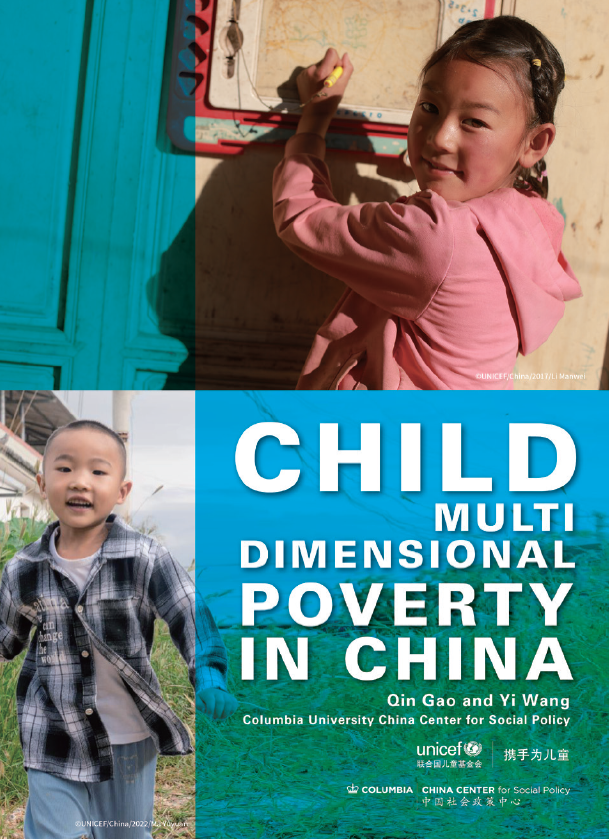
The Chinese government reported eradicating rural extreme poverty at the end of 2020, a significant achievement. In a new report released by the UNICEF, Qin Gao and Yi Wang provide new evidence to inform policymakers and the public about the levels, trends, and patterns of child multidimensional poverty in China. Findings from this report are timely for developing China’s post-2020 anti-poverty policy agenda.

Findings from a CSSW-led study show NYC’s residents of Chinese descent facing a “double pandemic” of COVID-19 and discrimination.
East Asia has undergone rapid demographic, economic, political, and social transformations in recent decades. In a new article published in the Journal of Asian Public Policy, Julia Shu-Huah Wang, Yixia Cai and Qin Gao used the harmonized Panel Study on Family Dynamics 2006, 2011, and 2013/14 data to examine poverty patterns and compare the role of social safety nets in alleviating poverty across Taiwan and southeast (SE) China.
Population aging in China has been one of the fastest in the world. This raises concerns about the health and well-being of older adults and poses major challenge for the Chinese health care system. In a new article published in the Journal of Aging & Social Policy, Yalu Zhang and Qin Gao examined whether welfare receipt was associated with changes in consumption on health among older families.
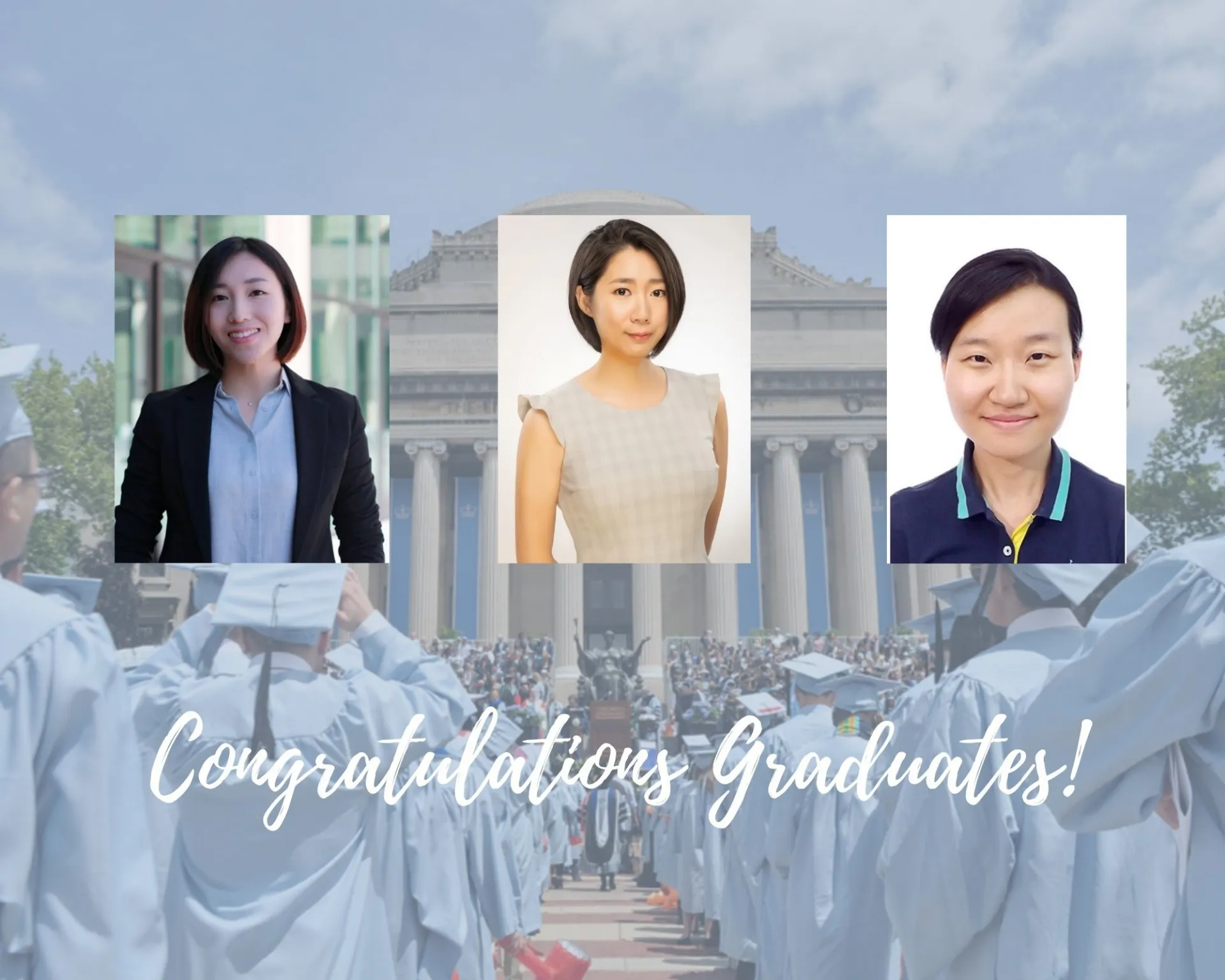
The Columbia China Center for Social Policy is proud to celebrate the graduation of three doctoral fellows in 2020-2021. We send warm congratulations on their impressive achievements and best wishes for their next adventures!
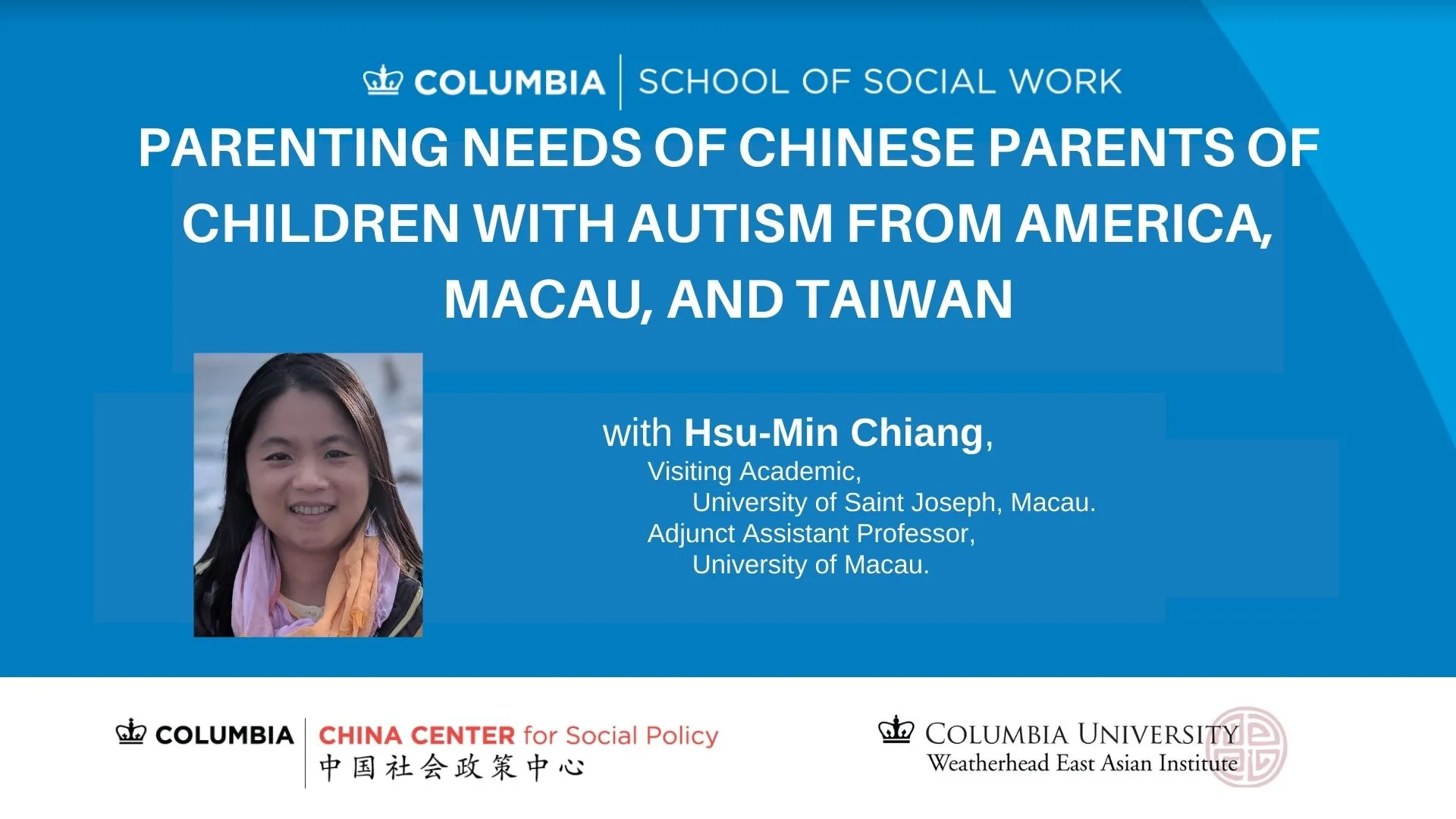
Chinese parents of children with autism spectrum disorder (ASD) often have high parenting stress and face lots of stigma. However, limited research has focused on the parenting needs of this group and their comparisons across different societal settings. On March 18, 2021, Dr. Hsu-Min Chiang, Visiting Academic at the University of Saint Joseph, gave a lecture about her study on parenting needs of Chinese parents of children with autism from America, Macau, and Taiwan.
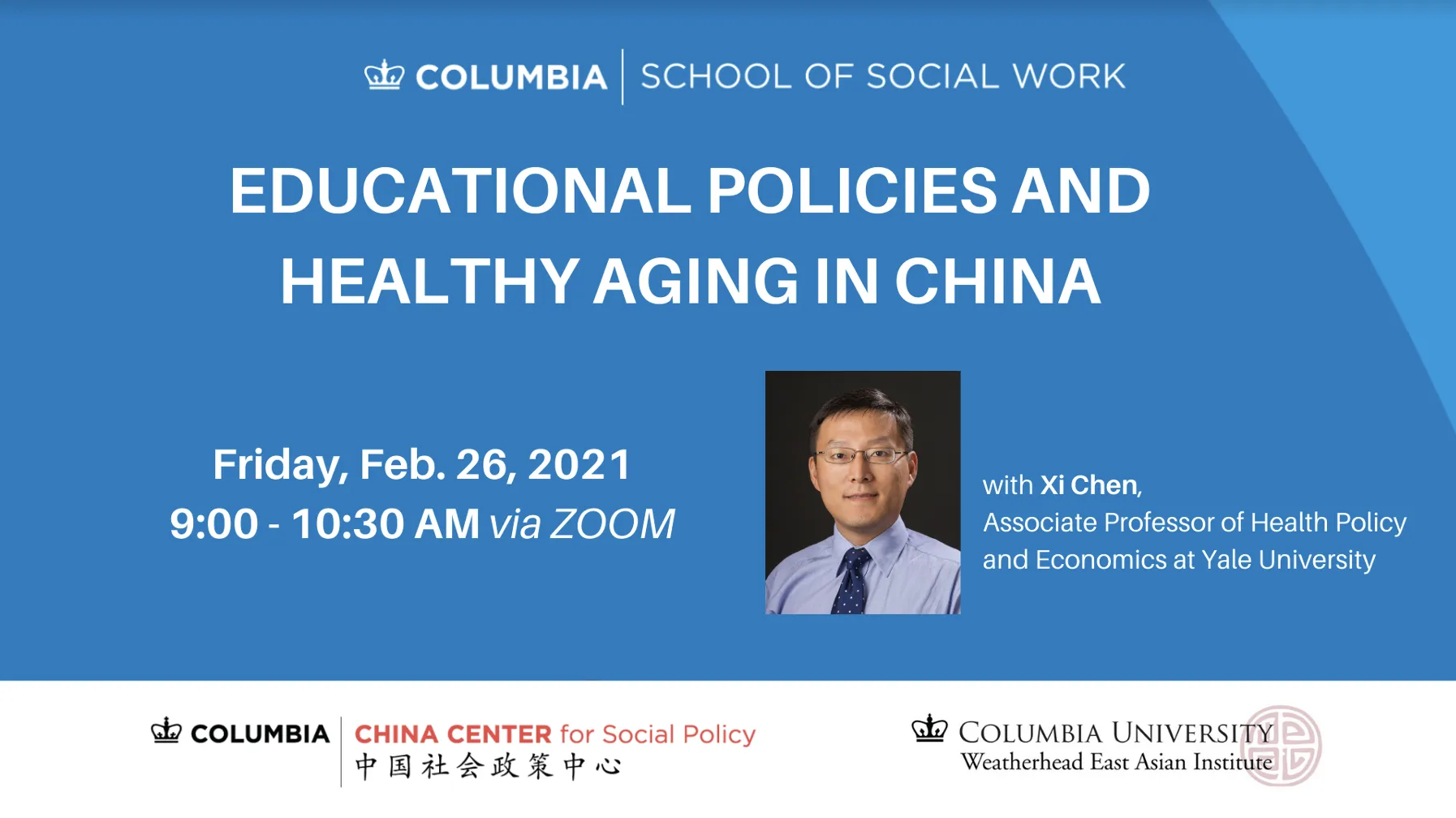
Existing research has demonstrated that increased education of children can lead to better cognitive status and aging trajectories of parents. On February 26, 2021, Professor Xi Chen, an Associate Professor of Health Policy and Economics at Yale University, presented the latest findings on the relationship between education and healthy aging in China.
In the United States, the Welfare Reform in 1996 dramatically changed welfare participation rules by imposing restrictions on immigrant welfare use. Using data from 1995 to 2018, Huang and colleagues’ new publication investigates the effects of demographic factors, macroeconomic trends, and policies on the welfare participation gap between immigrants and natives in the US.
Income inequality in South Korea has increased during recent decades. As one of the nation’s primary poverty alleviation programs, the National Basic Livelihood Security System (NBLSS) has influenced many people’s lives. In 2015, the NBLSS underwent major reforms by changing the selection criteria and benefits. Did the NBLSS improve the living conditions and well-being of its beneficiaries prior to the reforms?